Published: Jan 26, 2026
Ask the right questions on sustainability
Sustainability is no longer just a reporting requirement. For organisations across Asia Pacific (APAC), it has become a strategic challenge shaped by digital growth, rising emissions, and increasing scrutiny from regulators, customers, and investors.
While the region has made progress by using technology to improve efficiency and reduce environmental impact, many organisations still struggle to understand where their most significant sustainability risks lie and what actions will make the most difference. In particular, indirect emissions across value chains and the growing carbon footprint of digital infrastructure remain difficult to measure and manage.
This article explores the key sustainability questions organisations need to address today and the role digital systems play in helping answer them. A supporting infographic provides a snapshot of the sustainability landscape, key pressure points, and the trade-offs leaders must navigate as digital adoption accelerates.
Key takeaways
- Sustainability progress in APAC is real, but significant gaps remain, especially around Scope 3 emissions and digital carbon impact.
- Digital technologies can accelerate sustainability goals, but only if their own environmental cost is understood and managed.
- Asking the right questions is the first step to turning sustainability ambition into measurable, practical action.
Progress is happening, but unevenly
The table below compares how Australia and Singapore are advancing sustainability through policy, technology, and sector-led digital transformation. It highlights how different approaches to energy, transport, buildings, healthcare, and waste management translate sustainability goals into action.
Rather than offering a single blueprint, the comparison shows where progress is being made, where challenges remain, and how digital capabilities can support more sustainable outcomes across sectors.
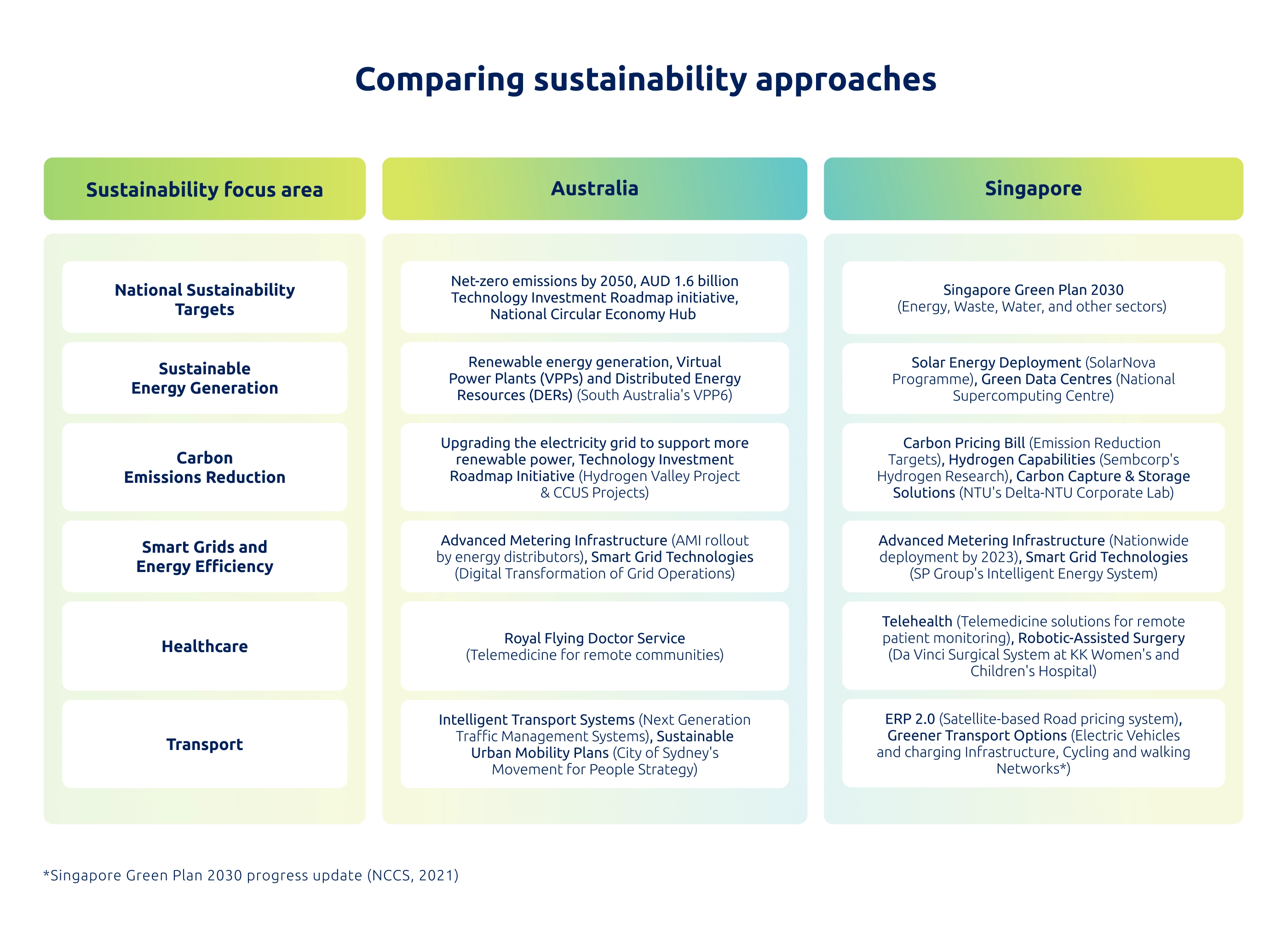
Table 1. Comparative Overview of Environmental Sustainability Initiatives and Digital Transformations in Australia and Singapore.
While these examples show what is possible, they also reveal the limits of current approaches. Many organisations still struggle to measure indirect emissions and manage the environmental cost of rapid digital growth.
The two questions organisations often avoid
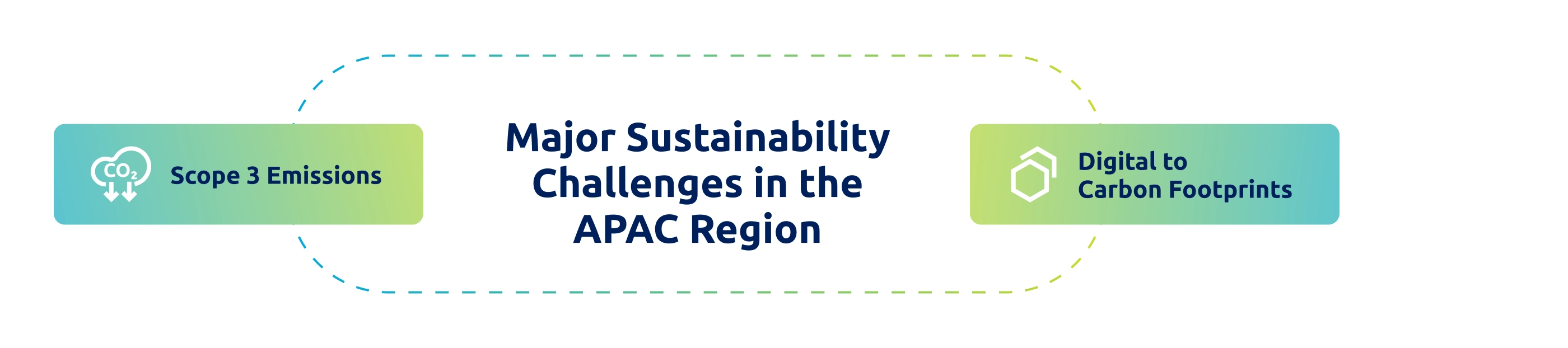
Figure 1: Major sustainability challenges in the APAC region.
Despite growing awareness, two areas consistently challenge organisations across the region.
- Are we accounting for our full emissions footprint?
Scope 3 emissions, which occur across supply chains and partner ecosystems, often represent the largest share of an organisation’s carbon footprint. However, transparency remains limited. Many organisations lack the data, tools, or governance needed to effectively measure and reduce these indirect emissions. - Is our digital growth increasing our carbon impact?
Digital services, cloud computing, and AI offer powerful tools to reduce waste and improve efficiency. However, they also increase energy consumption, data centre demand, and electronic waste. Without careful management, digital growth can quietly undermine sustainability ambitions.
These challenges increasingly intersect with how organisations use digital technologies.
Technology as both solution and responsibility
Technology plays a dual role in sustainability. On one hand, digital tools enable better decision-making. Technologies such as AI, IoT, blockchain, and advanced analytics improve visibility across supply chains, optimise energy usage, and support more sustainable operations. They help organisations measure what was previously difficult to see.
On the other hand, technology itself consumes energy and resources. Data centres, AI models, and digital devices contribute to emissions and e-waste. And as organisations increase their use of AI, managing the environmental impact of AI models and workloads becomes especially important. This includes making deliberate choices around model design, training, deployment, and infrastructure.
NCS has explored this further through its perspectives on Green AI, which focus on applying AI responsibly to reduce energy use and carbon impact while still delivering business value.
The combined impact of digital growth and environmental responsibility creates a clear need to balance two approaches:
- Using digital technologies to reduce environmental impact
- Ensuring digital systems are designed and operated sustainably
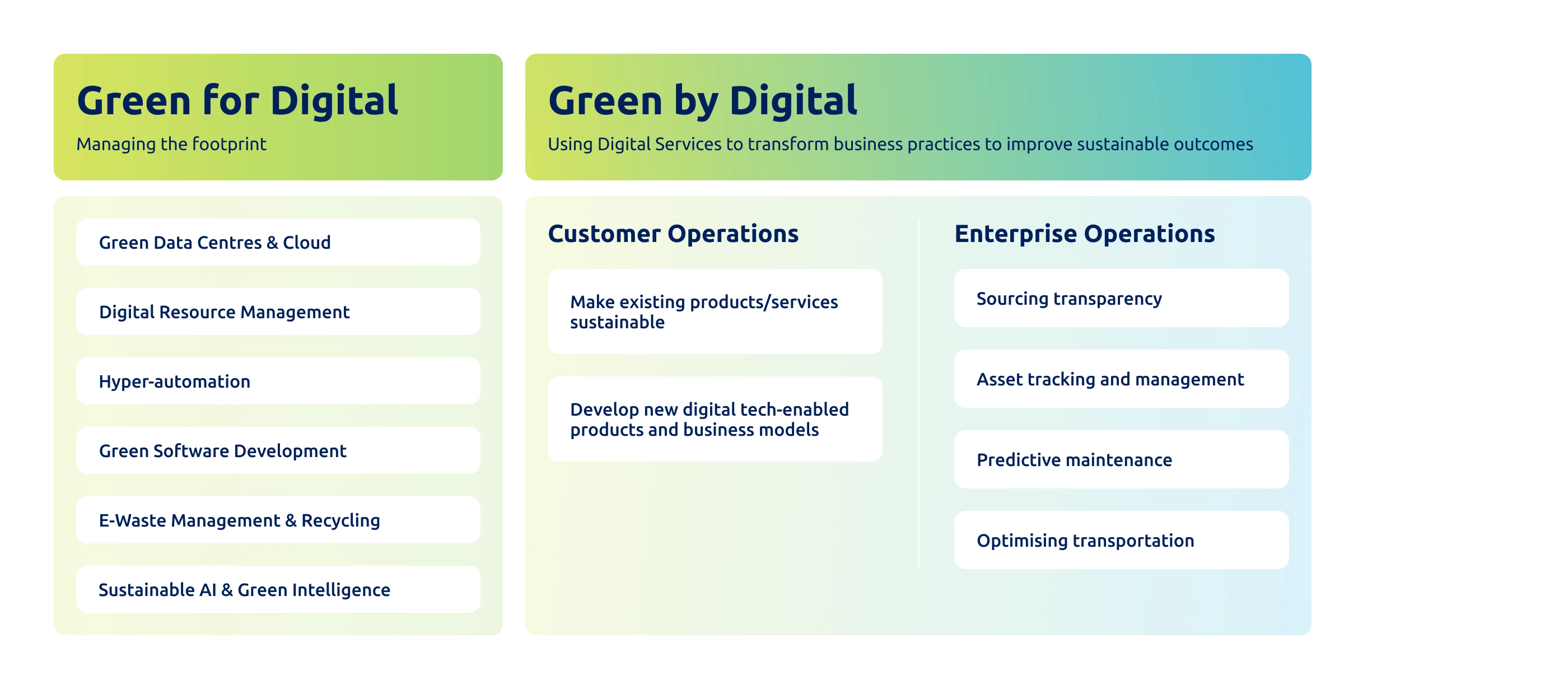
Figure 2: Digital transformation through Green by Digital and Green for Digital approaches.
Turning questions into action
To move from intent to impact, organisations need to focus on practical, technology-enabled strategies.
- Improving supply chain transparency allows organisations to understand Scope 3 emissions better and identify opportunities for reduction. Digital platforms, data sharing, and traceability tools help bring visibility to complex value chains.
- Enhancing energy management through innovative systems and analytics enables more efficient resource use. Real-time monitoring and optimisation support better outcomes for both organisations and communities.
- Improving communication with stakeholders is equally important. Digital platforms can help employees, customers, and partners make more informed, sustainable choices by clearly showing the impact of their actions.
- Finally, adopting Green Software, Green AI, and energy-efficient data centres ensures that digital growth does not come at the expense of sustainability. Designing systems to use resources efficiently is now a core requirement, not a future aspiration.
Why asking the right questions matters
Sustainability in APAC is shaped by difficult trade-offs between digital growth, environmental responsibility, and long-term resilience. While many organisations have made progress, gaps remain in understanding indirect emissions, managing the carbon impact of digital systems, and turning sustainability goals into practical action.
NCS supports organisations by helping them ask the right sustainability questions and connect those questions to real-world digital solutions. Drawing on deep regional experience and sector knowledge, NCS works with organisations to clarify where their most significant sustainability risks and opportunities lie, from Scope 3 emissions to energy-intensive digital infrastructure.
Through structured frameworks, data-driven insights, and responsible use of technologies such as AI, cloud, and digital platforms, NCS can help your organisation move beyond compliance. The result is more transparent decision-making, more measurable outcomes, and sustainability strategies that are both environmentally responsible and operationally viable.
Get a clearer view of the sustainability landscape
Explore the key sustainability challenges in APAC, the role of digital technology, and the questions organisations need to ask to move toward net-zero goals.
References
National Climate Change Secretariat. (2021, November 9). Good progress made on the Singapore Green Plan 2030 as government accelerates decarbonisation and sustainability efforts.
https://www.nccs.gov.sg/media/press-release/joint-media-release-by-nccs-mse-mti-mot-mnd-and-moe-good-progress-made-on-the-singapore-green-plan-2030-as-government-accelerates-decarbonisation-and-sustainability-efforts/
Government of South Australia. (n.d.). South Australia's Virtual Power Plant. Department for Energy and Mining.
Retrieved from https://www.energymining.sa.gov.au/consumers/solar-and-batteries/south-australias-virtual-power-plant