Rail defect inspection is a safety-critical activity where both full automation and purely manual processes fall short. High false-positive rates, limited labelled data, and strict regulatory requirements make scaling inspection difficult without also increasing risk. This solution introduces an AI-assisted, human-in-the-loop verification approach that uses AI to prioritise and validate potential defects, while ensuring all safety-critical decisions remain human-approved.
Key takeaways
- In safety-critical rail inspection, automation alone is unsafe and manual inspection is unscalable – especially amid high false positives, limited data, and strict regulation.
- Our platform is designed as a safety-preserving validation layer between automated detection and human decision-making, which ensures all safety-critical decisions remain human-approved and auditable.
- We achieved >85% detection accuracy across 25+ defect types and significantly reduced unnecessary manual reviews through confidence based routing and targeted human verification.
How do you scale rail safety without compromising accountability?
Rail inspection teams face four constraints:
- High false positives rates from automated defect detection quickly overwhelm human reviewers
- Vast amounts of data generated by network operations makes traditional visual inspections impractical
- Insufficient labelled data for training high-accuracy models in live environments
- Regulatory and safety requirements demand full human accountability
Relying solely on automated decision-making was not safe enough for critical rail operations, while purely manual inspections cannot keep up with the scale required. To solve this, a system was needed that could handle large volumes of inspection without sacrificing governance, reliability, or trust.
How does the hybrid AI-human verification platform work?
We designed a hybrid AI-human verification platform that treats AI not as a decision maker, but as an intelligent triage and validation layer. Governance, verification workflows and feedback mechanisms were embedded in the process to ensure that decisions remain human-approved, auditable, and regulator-ready.
The platform architecture:
- Analyses video streams at frame level using trained YOLO models
- Flags potential defects using deep learning models
- Applies rule-based remediation for low-confidence detections
- Triggers targeted human verification for prioritized anomalies, which helps to reduce false negatives and false positives
- Learns through inspection outcomes fed back into the pipeline, improving model reliability over time
A real-time dashboard displays live detection results from train-mounted cameras, including metrics like flagged anomalies, confidence scores, recommended verification actions, and audit trails. The inspection summary panel also showed categorised defect types, verification status, and historical performance trends.
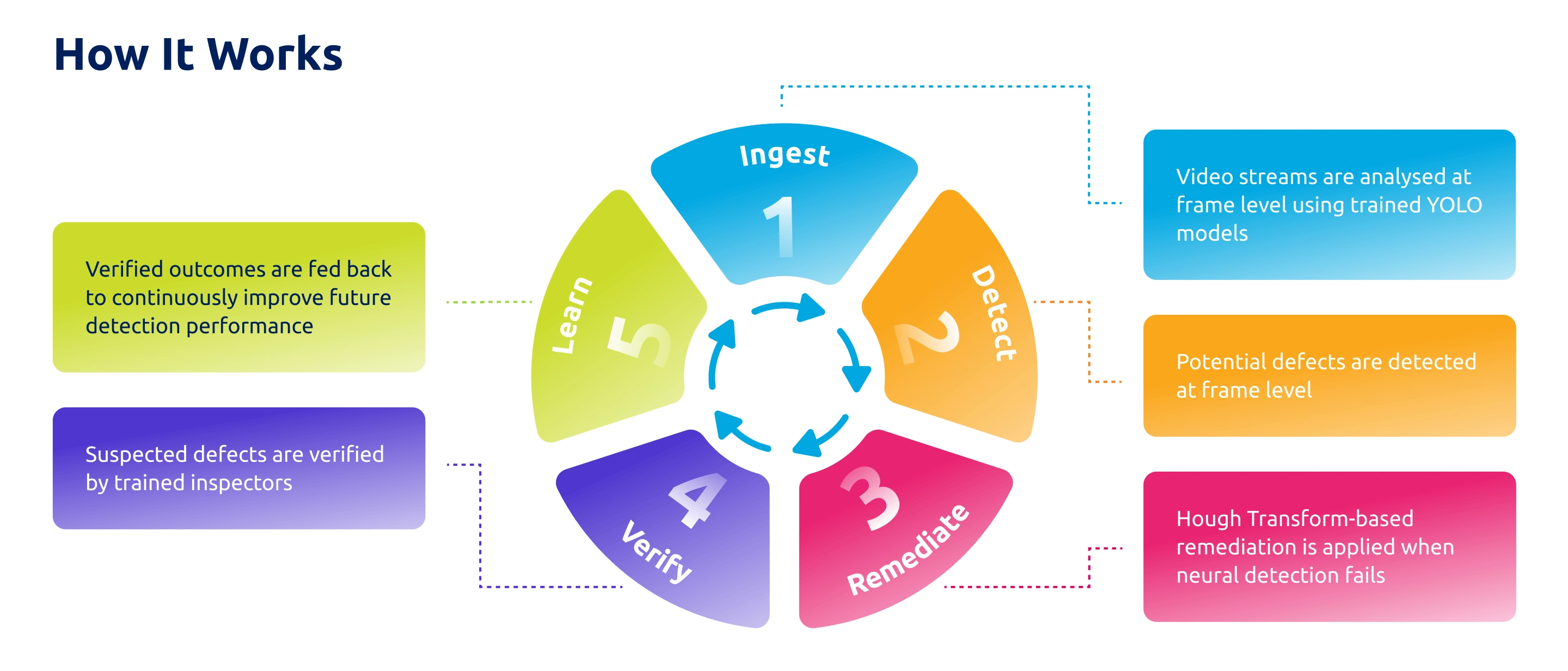
Figure 1: How our AI-assisted rail defect verification works
The system operates efficiently with minimal labelled data and improves over time through validated feedback. Figure 2 shows the entire architecture coming together.
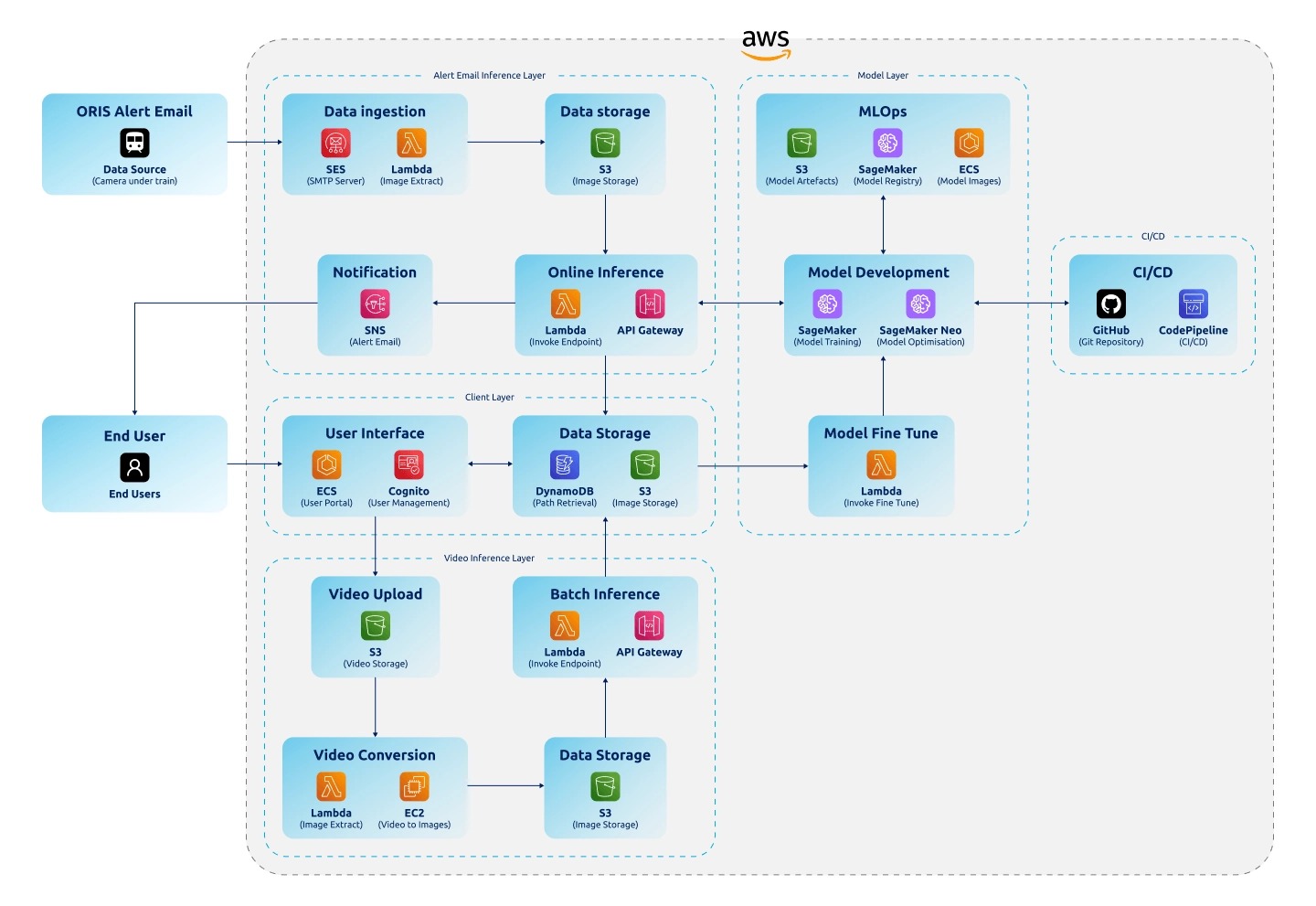
Figure 2: Rail Defect Verification System Architecture and Validation Pipeline
To validate real-world effectiveness, we deployed the solution in a controlled environment using both live and recorded train-mounted camera data. Inspection teams collaborated closely throughout deployment, jointly reviewing AI-flagged anomalies, recording verification outcomes for audit and training, and monitoring accuracy, false alerts, and turnaround times. This ensured that performance metrics reflected real operational conditions rather than laboratory benchmarks and built trust with frontline inspectors.
The impact
The platform proves that rail inspection can be scaled safely by combining AI-driven detection with human verification.
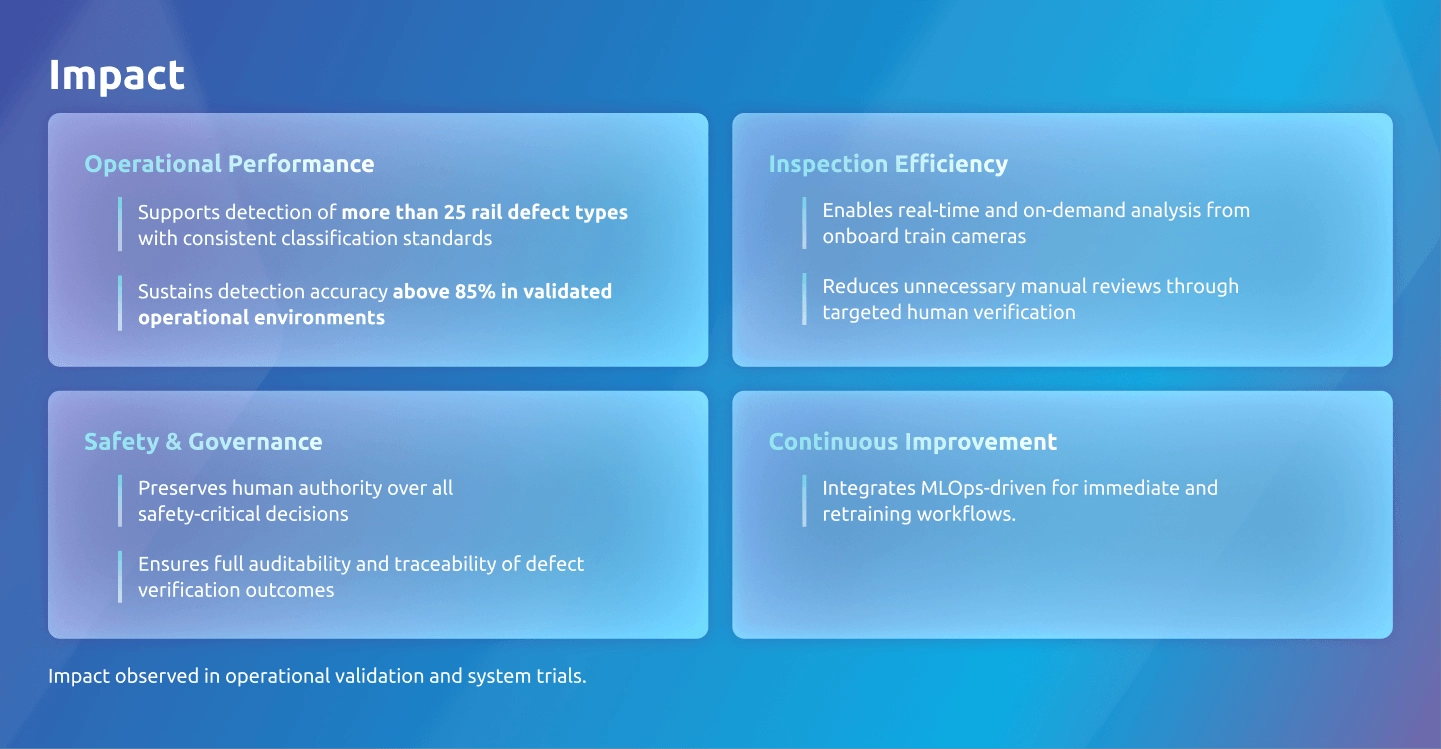
Figure 3: Better coverage and accuracy were achieved
By designing the platform with governance, auditability, and regulatory requirements built in from the outset, NCS enables organisations to improve efficiency and turnaround time without compromising accountability or trust. Importantly, the solution is delivered as a flexible foundation that can evolve over time, allowing operators to strengthen capability and resilience as operational needs and regulatory expectations continue to grow.
Download