AI has no shortage of hype. What it needs now is proof.
For South Australia, the opportunity is clear: turn early leadership in data, digital and AI into practical outcomes that improve services, build trust and strengthen the state’s position as a national leader.
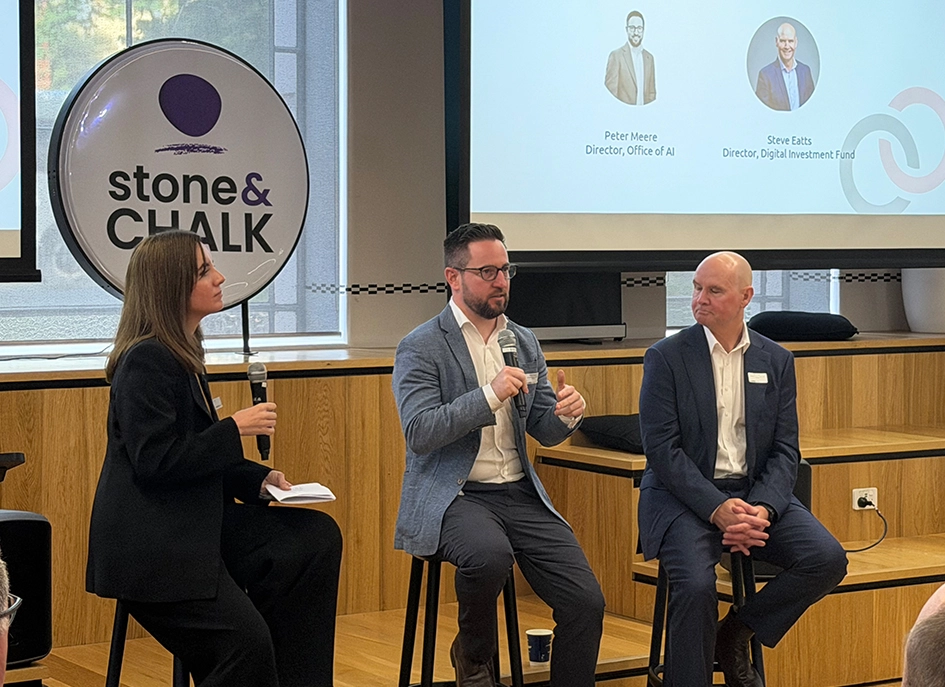
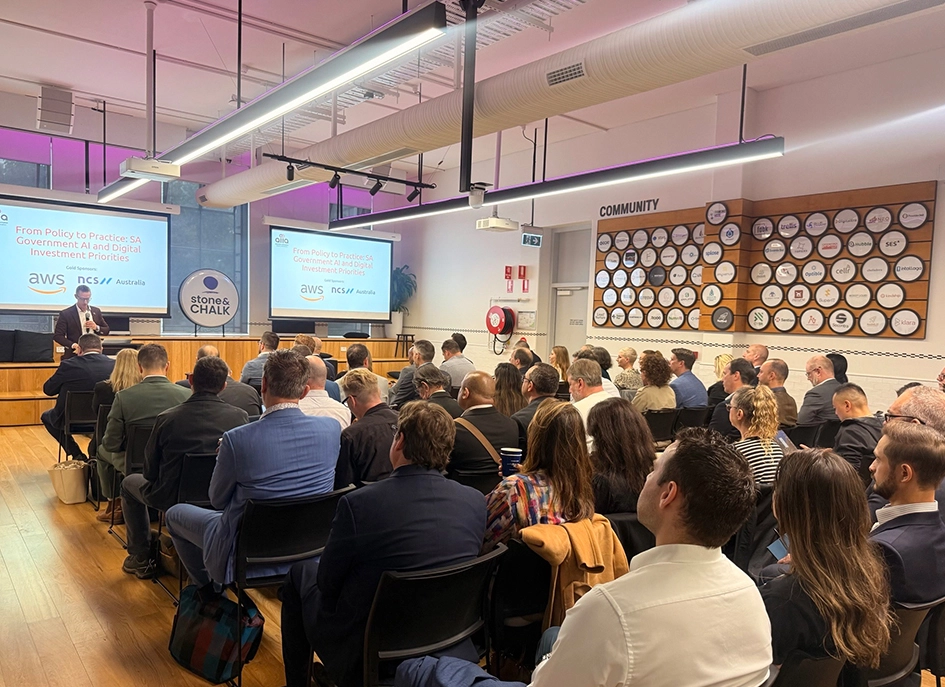
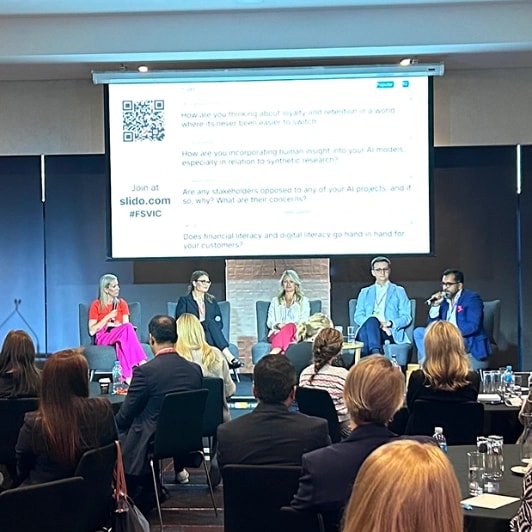
That was the focus of a recent industry event co-hosted by NCS Australia and the Australian Information Industry Association (AIIA), bringing together leaders across government, technology and industry to explore how South Australia can move from AI ambition to responsible adoption at scale.
From early momentum to long-term leadership
The conversation came at an important moment. AI is already reshaping how organisations work, how services are delivered and how citizens experience public systems. But for government and high-trust sectors, the challenge is not simply how fast AI can be adopted. It is whether it can be adopted safely, responsibly and in ways that deliver measurable public value.
South Australia has built strong foundations for that next phase. The state established the Office for Data Analytics in 2016, held a Parliamentary Inquiry into AI in 2023, appointed the nation’s first Minister for AI in January 2025, and established the Office for AI in July 2025.
Together with the Digital Investment Fund, AI-focused grant programs and initiatives such as EdChat, these steps point to a state that has leaned into the AI conversation early. South Australia also has a growing innovation ecosystem, supported by precincts such as Lot Fourteen, Tonsley, BioMed City, Osborne Naval and Edinburgh Defence, and research capability through institutions such as the Australian Institute for Machine Learning.
The opportunity now is to convert that momentum into long-term leadership.
 |
 |
 |
Moving beyond the hype
Opening the event, Daryl Knight, NCS Australia’s South Australian lead, said AI is no longer a future conversation for the state. It is a now conversation, and increasingly a leadership conversation.
That leadership challenge was a recurring theme throughout the discussion. Every major technology shift follows a familiar pattern: hype before productivity, fear before fluency, disruption before redesign. AI is no different. What is different is the speed at which it is entering everyday work.
Across government and industry, organisations are navigating practical and human questions around skills, confidence, governance, risk, accountability and trust. Many have already experimented with AI through proofs of concept or pilots. The harder task is moving from experimentation to scaled adoption.
From pilots to production
A pilot can show what is possible in a controlled environment. Scaling that solution across an organisation requires different disciplines: data quality, cybersecurity, governance, integration, training, change management and operational readiness.
For government, the bar is higher again. AI must be adopted in ways that protect citizens, preserve trust and improve public outcomes. The licence to use AI depends not only on what the technology can do, but whether people believe it is being used safely, fairly and transparently.
The event explored several areas that will shape the next phase of adoption, including strategic direction, investment and procurement, build-versus-buy-versus-partner decisions, governance, ethics, risk and workforce capability.
A clear message emerged: the organisations that succeed with AI will not simply be those that move fastest. They will be those that move well.
Trust, capability and resilience
This is also where sovereign AI becomes increasingly relevant for government and public sector organisations. As AI adoption scales, leaders need confidence in where data is held, how systems are governed, who has access, and how risks are managed. For more, read our related perspective on sovereign AI in Australia, which explores how sovereignty is shifting from a compliance obligation to a strategic advantage.
Responsible AI adoption requires governance that enables progress, not governance that slows it down. It requires AI literacy beyond specialist teams, so leaders, frontline staff, policy teams, procurement teams and operational teams can ask the right questions. It also requires resilience, because AI depends on trusted data, secure infrastructure and the ability to monitor and manage systems over time.
Industry has a defining role to play in this shift. Technology partners need to do more than provide tools or platforms. They need to help organisations translate policy into practice, connect strategy with delivery, and build capability that remains long after a project ends.
That means being honest about both the opportunities and limitations of AI. It means helping organisations understand where AI can add value, where caution is needed, and where human judgement remains essential.
Building public value with AI
For NCS Australia, this is where experience across government, digital transformation and enterprise-scale technology delivery is especially relevant. Moving from pilots to production requires a holistic approach that brings together technology, people, governance, cybersecurity, data integrity and operational resilience.
As the discussion highlighted, South Australia has many of the ingredients needed to lead: policy momentum, research strength, innovation precincts, industry capability and a growing public conversation about responsible AI.
The next step is connecting those ingredients in ways that produce measurable outcomes.
The AI conversation is moving quickly, but South Australia’s opportunity is not simply to move first. It is to set a benchmark for how AI can be adopted responsibly, practically and with public value at the centre.
If the state can do that, it can turn early advantage into long-term leadership, building AI capability that improves public outcomes, strengthens trust and creates better work for people.
Recapping the event



 NGM Group innovates for impact:
  Building
  Beyond the hype: