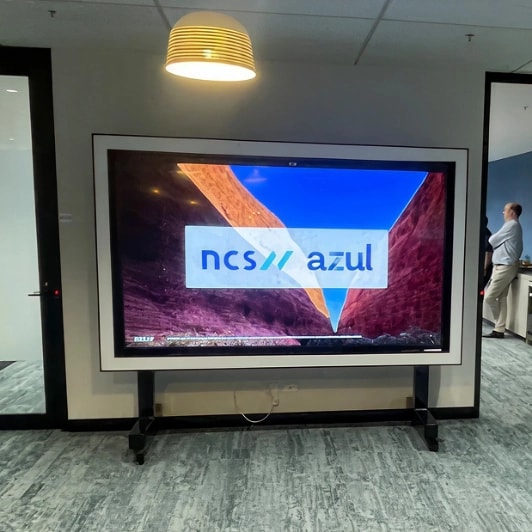
Technology and procurement leaders from asset intensive organisations compared practical ways to cut run costs and reduce risk without disrupting day-to-day operations. A key theme was that cost reduction is most sustainable when it is paired with measurable risk reduction (for example, fewer security weaknesses) and delivered through low impact changes that teams can adopt quickly. One case shared at the session described an approach that reduced Oracle Java licensing costs by 80% and security vulnerabilities by 99% – while keeping change management simple.
Reducing technology costs without slowing the business
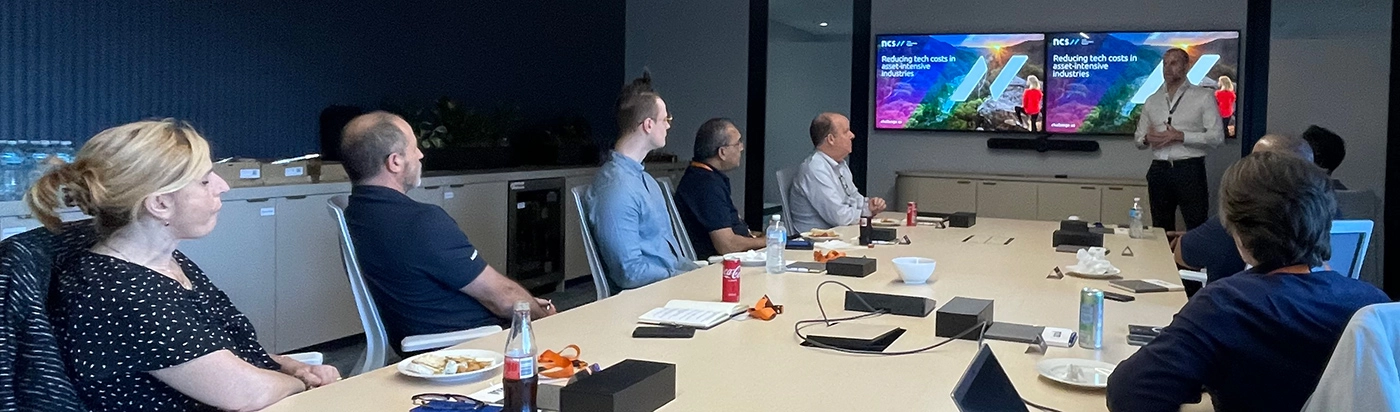
The event – hosted by NCS with Azul – was designed for technology and procurement leaders who need to reduce technology spend and technical debt while still building for the future.
It focused on five recurring levers:
- Cloud cost management and governance understanding what you consume, setting guardrails, and managing ongoing spend.
- Licensing and support cost reduction especially where licensing models have become difficult to predict.
- Extending the life of existing software through third-party support options for major vendors.
- Modernising infrastructure and applications through targeted migrations and consolidation.
- Technology cost optimisation and “tech debt” advisory – short, structured engagements aimed at identifying savings quickly and prioritising what to fix first.
Comparing notes: savings, risk reduction, and minimal disruption
A highlight of the discussion was the practical framing of a costout program as “risk reduction you can measure.” Participants emphasised that decisionmakers often understand risk better than licensing detail, so linking cost to security outcomes can accelerate approvals.
From the notes shared during the session, one organisation described:
- A $7m estimated saving opportunity tied to licensing changes.
- A three month project timeline, with a goal of bringing certainty over budget and spend for the next five years.
- A significant security benefit, positioned as the single biggest reduction in vulnerabilities they had achieved.
- A delivery approach described as a straight replacement performed during a routine overnight update – intended to be operationally “invisible.”
The group also discussed why software licensing can become unexpectedly expensive. One example raised was licensing priced by “employees,” which can unintentionally extend into contractor and subcontractor populations – creating cost spikes that procurement teams struggle to forecast.
Key insights
- Make cost reduction easy to adopt. The most attractive savings were those delivered through low impact changes that do not interrupt critical operations.
- Link savings to risk reduction. Security outcomes (like reducing known vulnerabilities) can be a clearer “why now” than licensing terms.
- Create spend certainty, not just one off cuts. Leaders valued being able to explain and defend projected spend over multiple years.
- Treat licensing and support as an active cost category. Options discussed included reducing reliance on incumbent licensing models and exploring alternative support arrangements across major software portfolios.
- Use structured, timeboxed assessments. The session referenced short advisory engagements (for example, a four week “tech debt” advisory) and an assessment model positioned with a “savings guarantee” (or the assessment is free).
- Don’t ignore performance tuning. Beyond licensing, performance improvements were flagged as another lever to reduce infrastructure and operational cost.
Voices from the roundtable
We are currently in a shark tank phase – actively winding down legacy environments while scaling for the future.
Boards don’t always understand licensing detail, but they understand risk – so quantify both.
Key takeaways: Why this matters now for asset-intensive organisations
Across energy providers, construction and financial services organisations, the common challenge is balancing reliability with change. The roundtable reinforced that technology cost programs work best when they:
- Prioritise changes that are operationally safe;
- Convert complex licensing problems into clear commercial decisions; and
- Produce proof points that leaders can defend – cost savings, reduced security exposure, and clearer forecasting.
What’s next: A self-funding modernisation pathway
If you’re exploring similar cost and risk outcomes, a practical next step is a short review of your current technology landscape to identify the most applicable cost levers—balancing speed of delivery, operational risk and the need to create “breathing room” for change. NCS can work with you to quantify the opportunity, prioritise the lowest-disruption actions first, and shape a self-funding modernisation pathway that aims to lower total cost of ownership while also improving your security and risk posture.
Typical outputs include a clear baseline of cost levers and key risk hotspots, a set of quick-win interventions with estimated savings and risk impact, and a prioritised roadmap to reinvest savings into targeted modernisation.





 NGM Group innovates for impact:
  Building