What the ITS Australia Global Summit 2026 revealed about the future of transport
The ITS Australia Global Summit 2026 brought together transport, technology and government leaders to explore how innovation can improve safety, efficiency and customer outcomes across Australia's transport networks.
NCS Australia team members joined the conversations, moderating several sessions on topics ranging from AI-enabled transport operations to public and accessible transport. These discussions highlighted the opportunities shaping the industry, as well as the challenges of turning new technologies into practical outcomes.
We've brought together some of the key insights from the summit, exploring what they mean for the future of Australia's transport networks.
Move AI from potential to practical outcomes
The conversation around AI in transport has moved on. The focus is no longer simply on what the technology might achieve, but on how to deploy it at scale to improve safety, operational efficiency and customer outcomes.
Connected infrastructure, advanced sensing technologies and real-time analytics can help transport operators make more informed decisions, respond to changing conditions and improve how networks are managed.
However, these capabilities depend on more than the AI itself.
Many transport organisations operate complex environments built over years, with legacy systems, fragmented data and infrastructure that may not have been designed to work together. Without reliable data, connected platforms and appropriate governance, introducing AI risks adding another layer of complexity rather than solving existing problems.
The priority is to build the foundations that allow AI to deliver value. This means modernising infrastructure where needed, improving data quality and accessibility, and ensuring insights can be translated into decisions within operational workflows.
Connect transport operations across the network
As Australia's cities grow and travel demand increases, transport authorities face a growing need to coordinate operations across roads, public transport networks and jurisdictions.
Next-generation transport control and management centres have an important role to play. By bringing together operational data from different transport modes, they can help authorities develop a more complete picture of network conditions, respond to incidents and make better-informed decisions.
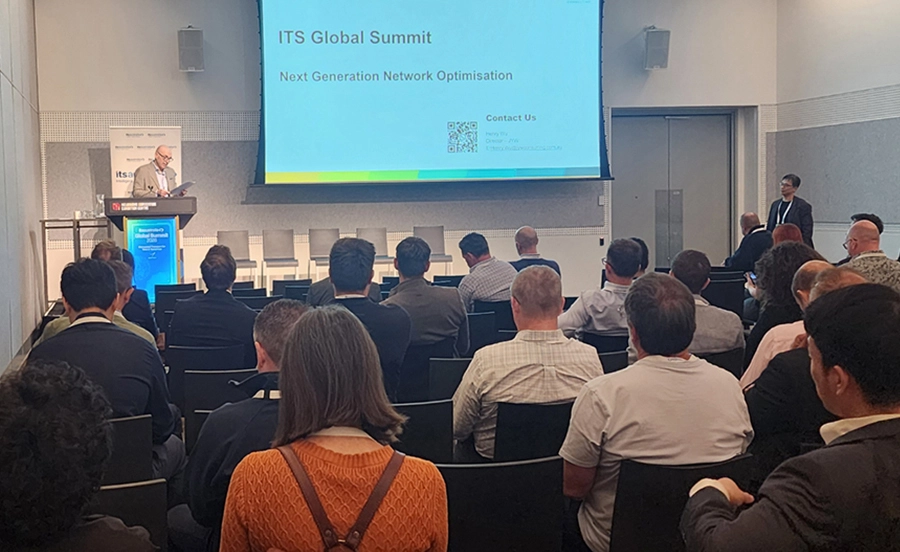
Queensland's emerging Transport Coordination Centre (TCC) represents an important step towards more integrated transport management. With Brisbane 2032 approaching, the initiative represents an opportunity to bring road operations, public transport and incident response into a more coordinated operating environment, creating potential benefits for Queensland well beyond the Games.
But connecting systems is only part of the challenge.
Transport technology is advancing rapidly across connected vehicles, AI-enabled operations and transport electrification. Realising the benefits of these innovations also requires stronger data-sharing frameworks, consistent standards and clear pathways for adoption across jurisdictions.
Road user charging offers one example of this complexity. Moving towards new charging models involves more than implementing the technology; it also requires careful consideration of regulation, consumer trust and how changes can be delivered at scale.
The goal is a transport network where information can be shared effectively, agencies can coordinate their responses and technology supports decisions across the system, not just within individual operations.
Brisbane 2032: Make accessibility a measure of transport performance
A smarter transport network must also be one that works for everyone.
With Brisbane preparing to welcome millions of visitors for the 2032 Olympic and Paralympic Games, accessibility is an increasingly important consideration for transport planning. But inclusive transport is not simply a requirement for a major event. It is fundamental to the everyday experiences of people who rely on public transport to work, study, access services and participate in their communities.
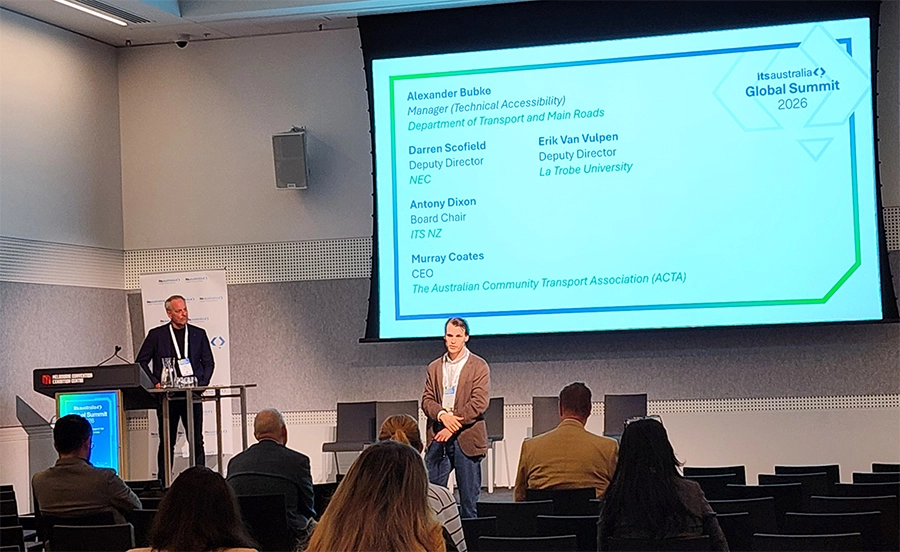
Sessions at the summit on public and accessible transport reinforced the importance of collaboration. Representatives from multiple state road and transport authorities shared experiences, challenges and lessons, highlighting that no single organisation can address accessibility challenges in isolation.
Better outcomes depend on collaboration across jurisdictions, the sharing of data and insights, and a clearer understanding of the needs of different passengers.
Technology can support this effort, from improving the availability of travel information to helping operators better understand network conditions and service disruptions. But technology alone cannot deliver inclusion.
Accessibility must be considered throughout the design and delivery of transport services, with the needs of passengers informing decisions from the outset.
This is an important distinction for transport leaders: success should not be measured only by how efficiently a network operates, but also by how effectively it serves the people who depend on it.
Build the foundations for transport to scale into the future
Across the summit discussions, one message stood out: the future of transport will depend on how effectively organisations connect technology, data and operations across the wider network.
AI, connected vehicles and modern control centres will continue to create opportunities to improve safety, efficiency and passenger experiences. But realising these benefits requires more than technology investment. It calls for a clear understanding of operational priorities, stronger data foundations and collaboration across organisations and jurisdictions.
Ultimately, the success of transport transformation won't be measured by the number of technologies deployed, but by the outcomes they enable: safer journeys, more coordinated operations and services that work for everyone.
The challenge now is to turn that ambition into action, building connected and adaptable transport networks that serve Australia today and are ready for what comes next.
Insights shaping the future of transport
These themes emerged strongly at the ITS Australia Global Summit 2026, where transport, technology and government leaders explored how innovation can improve transport safety, efficiency and customer outcomes.
The discussions highlighted a common challenge for the industry: turning technological potential into outcomes that people can see and experience.
We've brought together the key takeaways from the summit, exploring the ideas and developments shaping the future of transport, from better data integration to more connected operations.
Read the key takeaways from the summit and share the insights with your team.